Top mistakes when hiring a Maida Vale man and van
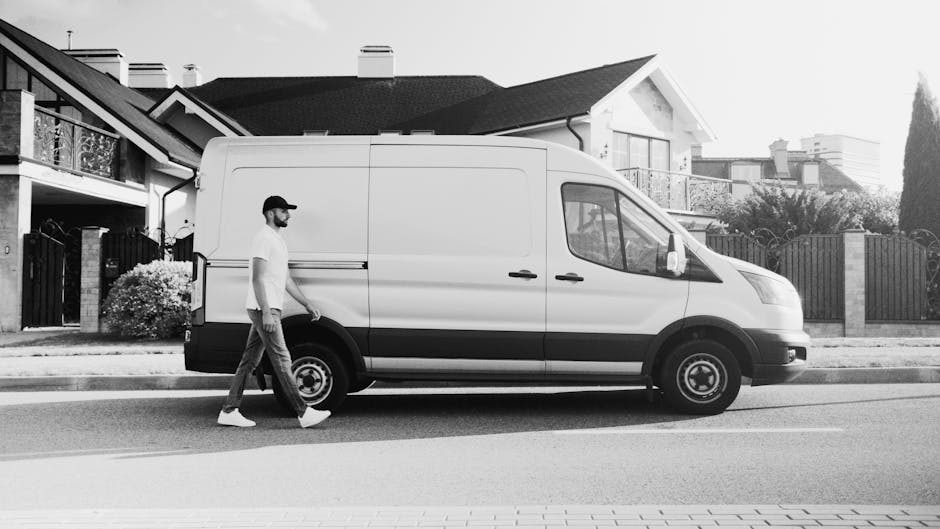
Hiring a Maida Vale man and van should make moving simpler, not more stressful. Yet that's exactly what happens when people rush the choice, skip the details, or assume every moving job is basically the same. In a place like Maida Vale, where access can be tight, parking can be awkward, and a small delay can ripple through the whole day, the wrong decision can turn into wasted money, damaged furniture, or a very long afternoon.
This guide breaks down the top mistakes when hiring a Maida Vale man and van, explains why they matter, and shows you how to avoid the kind of problems that only become obvious once the van is already outside. If you are comparing man and van services, planning a flat move, or just trying to shift a few bulky items, the advice here will help you book with more confidence. And yes, a little caution goes a long way.
Why Top mistakes when hiring a Maida Vale man and van Matters
The biggest mistake is thinking the job is only about getting a van from A to B. In reality, hiring a moving service is part logistics, part trust, and part timing. If you choose poorly, even a short local move can become costly once you factor in extra waiting time, unsuitable vehicle size, poor communication, or a team that is not prepared for stairs, parking restrictions, or awkward access.
Maida Vale has its own rhythm. Streets can feel busy even when they look calm, and a move that starts with "it'll only take an hour" can easily stretch if the details were not checked properly. Let's face it: a small mistake at the booking stage can mean a much bigger headache on moving day.
That is why it helps to think beyond price. The right service should offer clarity, care, and a sensible plan for your load. If you want a broader view of what professional moving support can cover, the removal services page is a useful place to start, especially if your move is a little more involved than a simple one-item pickup.
How Top mistakes when hiring a Maida Vale man and van Works
A good man and van booking usually follows a simple process. You describe what needs moving, explain where it is going, mention access issues, and agree on a vehicle size, time slot, and pricing structure. The mover then plans the job around the load, the route, and the practical realities of your property. Sounds straightforward. But the mistakes happen when any of those details are glossed over.
For example, if you are moving out of a top-floor flat with no lift, the service needs to know that. If there is a sofa that only just fits through the hallway, say so. If parking is likely to be tight outside your building, mention it early. These details change the type of van, the labour needed, and sometimes the length of the job.
The best providers will ask follow-up questions rather than simply quoting on guesswork. That is a good sign. In fact, if nobody asks how many boxes you have, whether there are wardrobes to dismantle, or if access is tricky, you should probably slow down and think again.
For pricing clarity before booking, the dedicated pricing and quotes page is worth reviewing, because hidden extras are one of the most common pain points people only discover too late.
Key Benefits and Practical Advantages
When the booking is handled properly, a man and van can be one of the most efficient ways to move within London. It is flexible, generally quicker to arrange than a larger removal operation, and often ideal when you do not need a full-scale team.
- Flexible for smaller moves: ideal for flats, studio moves, student relocations, and single-item transport.
- Less wasteful than overbooking: you do not pay for a huge vehicle or unnecessary labour if your load is modest.
- Better for awkward items: furniture, appliances, and boxed belongings can usually be handled more efficiently when the move is well planned.
- Useful for local journeys: short-distance moves around Maida Vale and nearby areas can be managed with less fuss.
- Scalable: if your move turns out to be bigger than expected, a flexible operator may be able to adapt.
It is also worth noting that not all moves are the same. Some people only need a quick furniture pick-up, while others are essentially moving their entire home. If you are somewhere in between, the right balance matters. A sensible provider will help you match the service to the job rather than pushing the most expensive option.
For single-item or small-load transport, the furniture pick-up page is especially relevant. For fuller household moves, look at home moves or house removals depending on the scale of the job.
Who This Is For and When It Makes Sense
A Maida Vale man and van is not only for people moving house. That is a common assumption, and to be fair, it is understandable. But the service suits a wider range of everyday scenarios.
- People moving from a flat or apartment with limited access
- Anyone relocating a few streets away and wanting a fast, local option
- Students and renters moving between properties
- Families shifting bulky items without booking a full removal crew
- Businesses moving office furniture or archived items
- Homeowners needing help with collections, deliveries, or disposal runs
If your move is bigger, more complex, or time-sensitive, you may want to compare broader options such as movers, removal company support, or a more structured man with van removal arrangement. Office moves, for instance, often benefit from a more coordinated setup, especially where downtime matters.
For business relocation needs, the site's office removals and commercial moves pages can help you understand what a more formal move may involve.
Step-by-Step Guidance
- List everything you need moved. Include furniture, boxes, fragile items, and anything awkwardly shaped. A rough list is better than a vague guess.
- Measure the large items. A sofa that looks manageable on paper can become a problem at the front door. Measure height, width, and depth if you can.
- Check access at both ends. Stairs, narrow hallways, basement flats, parking, lift access, and loading restrictions all matter.
- Ask for a clear quote. Make sure you know whether the price is fixed, hourly, or based on load size and route.
- Confirm what is included. Do they help with loading only, loading and unloading, dismantling, packing, or waiting time?
- Clarify insurance and responsibility. If something gets damaged, you should know the process before the move begins.
- Prepare the property. Pack properly, label boxes, clear walkways, and keep essentials separate.
- Stay available on the day. Sometimes one quick answer saves fifteen minutes of confusion. Honestly, that happens more than people think.
A small aside: the cleanest moves are rarely the ones where the customer packed with military precision. They are the ones where both sides communicated clearly. Simple, but true.
Expert Tips for Better Results
If you want a smoother move, the real trick is not simply "booking early." It is booking well. There is a difference.
- Use pictures where possible: photos of furniture, stairwells, entrances, and parking spots help a mover judge the job accurately.
- Be honest about volume: underestimating the load usually leads to a second trip, which is rarely cheaper in practice.
- Ask about timing windows: in London, a narrow arrival window can be more useful than a vague promise to "swing by sometime in the morning."
- Check how fragile items are handled: mirrors, artwork, and screens should be discussed separately, not left to chance.
- Understand the vehicle type: a standard van, a larger moving van, or a bigger moving truck each suits different jobs.
One good habit is to ask the provider how they would approach your move if they were doing it for a relative. That question often cuts through sales talk and gets you a more grounded answer.
If you are unsure which vehicle style suits you, it can help to compare moving van and moving truck options in plain terms, rather than choosing purely by price. Bigger is not always better, but too small is a nuisance.
Common Mistakes to Avoid
This is the heart of the topic. Most bad moving experiences come from a handful of avoidable mistakes. Some are obvious. Some are sneaky.
1. Choosing only on price
The cheapest quote can look tempting, especially when you are already spending money on deposits, boxes, and time off work. But if the low price hides extra charges, excludes loading help, or reflects poor planning, the bargain evaporates quickly.
2. Not describing the job properly
If you say "just a few items" and then produce half a flat's worth of furniture, the mover cannot magic that into a smooth job. Give a proper inventory. It saves everyone hassle.
3. Ignoring access and parking
In Maida Vale, access issues can be the difference between a smooth move and a frustrating one. A van that cannot stop close enough, or a building with awkward stairs, can add time and stress very fast.
4. Assuming insurance is automatic
Do not assume the service covers every possible risk in the same way. Ask what protection is included, what conditions apply, and how claims are handled. If the answer feels vague, take note.
5. Booking without checking the schedule
A rushed booking can clash with lift bookings, tenancy handovers, work hours, or parking restrictions. The best move plan includes a realistic timeline, not just a hope for the best.
6. Forgetting about packing quality
Even a careful driver cannot fully protect badly packed boxes. Overfilled boxes, loose lids, and unwrapped fragile items are asking for trouble. A bit of tape now saves a lot of swearing later.
7. Not reading the terms
Terms and conditions are not thrilling reading, granted. But they often explain waiting charges, cancellations, item limits, and damage procedures. If you skip them, you may miss the bits that actually matter.
If complaints handling matters to you, it is sensible to review the company's complaints procedure and terms and conditions before you confirm anything. Not because you expect a problem, but because you want to know what happens if one arises.
Tools, Resources and Recommendations
You do not need fancy equipment to organise a better move. A few simple tools go a long way.
- Measuring tape: useful for sofas, wardrobes, desks, and doorways.
- Box labels: mark rooms and note fragile items clearly.
- Inventory list: a basic phone note or spreadsheet is enough.
- Photos: quick pictures of furniture and access points can prevent misunderstandings.
- Protective materials: blankets, bubble wrap, tape, and stretch wrap for delicate pieces.
For support with packing, the packing and unpacking services page is helpful if you want extra hands rather than doing it all yourself. And if you want to understand the operator behind the service, the about us page can help build trust in a way that feels more grounded than a sales pitch.
One more useful recommendation: if your job is at the edge of what a man and van can sensibly handle, ask whether the provider can also help you compare removals against smaller-scale transport. Sometimes the smarter move is the slightly larger service, not the cheapest one.
Law, Compliance, Standards, or Best Practice
Moving services in the UK are expected to operate safely, communicate clearly, and handle customer property responsibly. The exact setup will vary by provider, but good practice usually includes valid insurance, sensible loading methods, careful driving, and clear customer terms.
It is also sensible to ask how the business handles privacy, payments, and security. If you are sharing contact details, access information, or payment data, you want to know that those basics are being treated properly. The pages on privacy policy and payment and security are relevant for that reason.
Health and safety should not feel like a box-ticking exercise. Proper lifting technique, load securing, and route awareness matter, especially when items are heavy or access is tight. A professional mover should also be able to explain how they approach risk in day-to-day work. If you want a more detailed look at that, review the company's health and safety policy and insurance and safety information.
For businesses, especially offices and commercial premises, clear scheduling and property handling standards matter even more. If that sounds like your situation, the office relocation services page gives a better sense of how a structured move may be managed.
Options, Methods, or Comparison Table
Here is a straightforward comparison to help you decide what kind of help is most appropriate. It is not about choosing the most impressive-sounding option. It is about matching the service to the actual job.
| Option | Best for | Strengths | Watch out for |
|---|---|---|---|
| Man and van | Small to medium local moves, furniture transport, short notice jobs | Flexible, often cost-effective, quick to arrange | May not suit very large loads or complex moves |
| Removal company | Full-house moves, larger family relocations, detailed planning | More structured, more support, better for bigger jobs | Can cost more than a small-load service |
| Man with a van removal | Moves needing extra flexibility but still not a full removal crew | Balanced approach for many local household moves | Always confirm loading help and vehicle size |
| Removal truck hire | People who already have labour but need the vehicle only | Useful in specific organised moves | Not ideal if you also need loading and lifting support |
If you are unsure which route fits your situation, start by comparing man with van against broader removal company support. A careful comparison now is better than a rushed fix later.
Case Study or Real-World Example
Imagine a couple moving from a one-bedroom flat near Maida Vale. They only have a sofa, a bed, a dining table, eight boxes, and a mirror. On paper, it sounds straightforward. But the flat is on the third floor, the stairwell is narrow, parking is limited, and the sofa is a bit larger than they remembered. Classic.
They initially choose the lowest quote they can find, without mentioning the stairs or the mirror. On the day, the mover arrives with a smaller van than expected, realises the access is awkward, and the whole thing becomes a timed scramble. The sofa fits, eventually, but not without delay, stress, and an extra charge for the extended handling.
Now compare that with a better-planned version. The couple sends photos, confirms the staircase, mentions the mirror, and checks what loading support is included. The provider suggests a slightly larger vehicle and a realistic time window. The move still takes effort, of course. Moving always does. But it is calm, organised, and much less likely to end with someone standing in the hallway thinking, "we should have asked that first."
That is the real lesson here. Most problems are preventable, and the fixes are usually boringly simple. Which, oddly enough, is exactly what makes them so valuable.
Practical Checklist
Use this checklist before you book:
- Have I listed every item that needs moving?
- Have I measured bulky furniture and checked doorway sizes?
- Have I explained stairs, lifts, parking, and access at both locations?
- Do I understand whether the price is fixed or hourly?
- Have I asked what loading, unloading, and dismantling help is included?
- Do I know what happens if the move takes longer than planned?
- Have I checked insurance and safety details?
- Have I read the terms and conditions?
- Have I prepared fragile items properly?
- Do I know who to contact on moving day if plans change?
Expert summary: The best way to avoid stress is to treat the booking as a planning exercise, not a quick favour. Be specific, be honest about the load, and ask practical questions before the van turns up. That one habit prevents a surprising amount of pain.
Get a free quote today and see how much you can save.
Conclusion
The top mistakes when hiring a Maida Vale man and van are usually not dramatic. They are small oversights that pile up: vague descriptions, ignored access issues, unclear pricing, weak packing, and assumptions about insurance or timing. The good news is that all of those mistakes are avoidable.
Start with a clear inventory, ask the awkward questions, and choose the service that fits the actual job rather than the cheapest-looking one. If your move is small, a simple van may be perfect. If it is bigger or more complex, a more structured approach will probably save you time and nerves. Either way, a bit of preparation makes the day feel far lighter.
And once you have done it properly, the whole thing has a way of feeling much less intimidating than it did the week before. That's the part people remember. The relief.
Frequently Asked Questions
What is the biggest mistake people make when booking a man and van in Maida Vale?
The biggest mistake is usually choosing on price alone and not giving a full description of the job. That often leads to the wrong vehicle, unrealistic timings, or extra charges on the day.
How far in advance should I book a Maida Vale man and van?
For a routine local move, booking as soon as you know your date is sensible. Short-notice bookings can work, but earlier planning gives you more choice and a better chance of matching the right service to your needs.
Should I use a man and van for a full house move?
Sometimes, but not always. A man and van can suit smaller homes or lighter loads, while larger moves may be better handled by house movers or a more complete house removalists service.
Do I need to measure furniture before booking?
Yes, especially for sofas, wardrobes, beds, and large tables. A few quick measurements can prevent access problems and avoid discovering too late that something will not fit through a doorway or stairwell.
What should I ask about pricing?
Ask whether the quote is fixed or hourly, what is included, whether there are waiting charges, and whether loading and unloading are part of the price. That clarity matters more than people realise.
Why is parking such a big deal in Maida Vale?
Parking affects loading time, moving distance, and sometimes the whole schedule. If a van has to park further away than expected, a short move can take much longer and become more physically demanding.
Is insurance really necessary for a small move?
Yes, because even small moves involve risk. Fragile items, narrow halls, and busy streets can all create issues. You want to know how the provider handles damage or loss before anything is on the vehicle.
Can a man and van help with packing too?
Some can, and some offer dedicated packing support. If you want help with wrapping, boxing, or unpacking, look at packing and unpacking services rather than assuming it is included by default.
What if I only need one item moved?
That is exactly the kind of job a man and van can be useful for. Furniture collections, appliance pick-ups, and single-item transport often fit this model well, especially if the distance is short.
How do I know if I am being quoted honestly?
A good quote usually comes with questions about volume, access, and timing. If a price is given instantly with no follow-up, it may be too rough to rely on. Good operators want details because details affect the job.
What should I do if the move takes longer than planned?
Stay calm, check the reason, and ask how extra time is handled before agreeing to anything. Most delays are caused by access, packing, or underestimated load size. A clear conversation usually helps more than panic.
Is a removal company better than a man and van?
It depends on the scale of the move. A removal company can be better for larger, more complex moves, while a man and van is often ideal for smaller local jobs. The right choice is the one that fits the actual task.
Where can I find more information about the company before booking?
Start with the about us page, then review practical information like insurance and safety and payment and security. Those pages help you judge whether the service feels transparent and well-run.