W9 loading bays and permits for Maida Vale removals
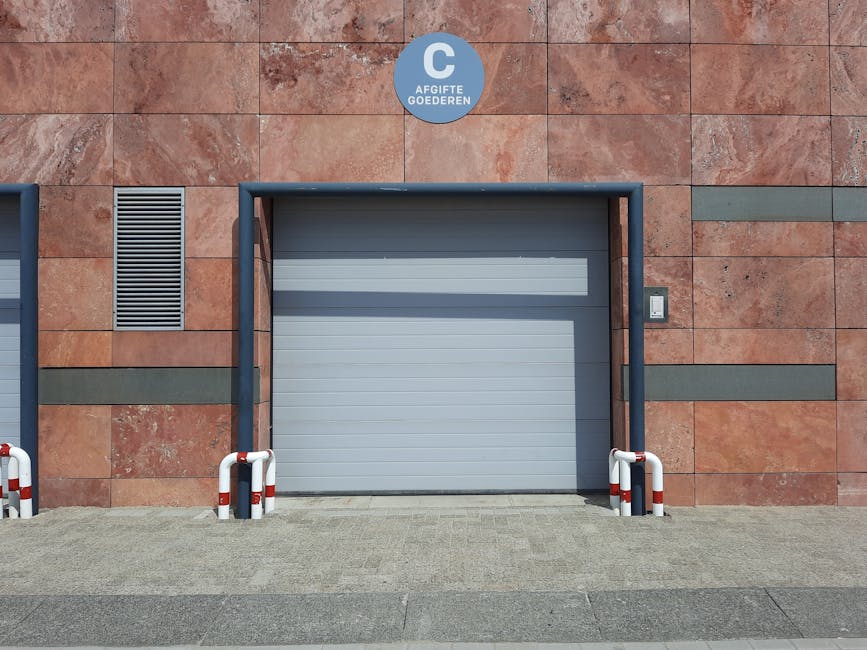
If you are moving in Maida Vale, the biggest headache is often not the packing, it is the curb outside the building. W9 loading bays and permits for Maida Vale removals can make the difference between a calm move and a morning full of double-parking stress, blocked access, and that awkward moment where everyone is waiting on the pavement. In a neighbourhood with mansion blocks, narrow residential streets, resident parking zones, and limited stopping space, planning the vehicle side of the move matters just as much as the boxes.
This guide explains how loading bays and permits usually work, why they matter, and how to organise your move without losing time. It also covers common mistakes, practical checks, and the small details that tend to trip people up. Truth be told, a good move in W9 is often won before the van even arrives.
Why W9 loading bays and permits for Maida Vale removals Matters
Maida Vale is one of those London areas where the street scene changes fast. You can go from a quiet residential road to a tightly packed block of flats with little warning. That means the vehicle you use, where it stops, and how long it stays there can affect the whole move.
A loading bay is a designated space where a vehicle can stop for loading or unloading, usually for a limited time. A permit is the permission needed to use certain parking or loading arrangements legally. For removals, the two often go hand in hand. Without the right planning, a removal van may have to park further away, add walking time, or move on before the job is done. And no one wants to wheel a wardrobe across half of W9 while the neighbours are trying to reverse out of a side street.
This matters even more if you are moving from a flat, a basement property, or a building with controlled access. In those cases, the road space outside the property is part of the removal strategy, not an afterthought.
Expert summary: If your Maida Vale move involves a van stopping on a restricted street, assume that parking and loading need attention early. The earlier you plan it, the less likely you are to run into delays, fines, or a rushed handover.
For a wider picture of move planning, it can help to look at the full range of support available through removals and the more specific flat removals and home moves services, especially if your property has awkward access.
How W9 loading bays and permits for Maida Vale removals Works
In simple terms, you are trying to match three things: the property access, the vehicle size, and the local parking rules. When those three line up, the move feels almost boring. That is a good thing.
1. Identify the type of road space outside the property
Look at what is actually available outside your address. Is there a loading bay? Pay-and-display parking? Single yellow lines? A resident-only bay? A clear, unrestricted stretch of road? Those details matter because the rules change depending on the marking and the time of day.
It is also worth checking whether there is room for a medium van or whether a larger vehicle would block traffic. In some W9 streets, a compact van can make life much easier than a bigger truck. If you are unsure, the right choice may be a removal van or a more flexible man and van arrangement rather than something oversized.
2. Confirm whether a permit or dispensation is needed
Depending on the road and the job, a permit may be required to stop the vehicle for loading. Sometimes the issue is not the van being on the street, but how long it stays there. That is where temporary permission, a parking suspension, or a loading arrangement can become relevant. The exact route depends on local rules and the street in question, so it is better to verify early than assume the usual parking signs will be enough.
A common mistake is leaving permit checks until the day before. By then, you are dealing with packing, keys, cleaners, and a half-built pile of boxes in the hallway. Not ideal.
3. Match the move duration to the access window
Loading bay time limits exist for a reason. If your move is large, you may need a longer window or a staged loading plan. A one-bedroom flat with pre-packed boxes is very different from a top-floor two-bed full of furniture, lamps, and a piano-shaped mystery object nobody remembers buying.
That is why the vehicle plan should be built around the true size of the move. If the job is larger or more complex, options like moving truck hire or broader removal services may be more appropriate. For business moves, commercial moves and office removals usually need more structured access planning.
4. Factor in building access
Loading bay planning is only half the story. If there is a lift, a stairwell, a concierge desk, or a coded entrance, that all affects the schedule. A van can be perfectly parked and still lose time if the lift is slow or shared with neighbours. You know the sort of thing: one person is holding the lift, another is looking for the key, and suddenly ten minutes disappear.
Key Benefits and Practical Advantages
Getting the loading and permit side right does more than keep you legal. It gives the whole move a cleaner shape.
- Less wasted time: the van can get closer to the entrance, so loading and unloading are faster.
- Lower physical strain: fewer long carries means less risk of damage to furniture and less exhaustion for everyone involved.
- Fewer parking problems: you reduce the risk of tickets, complaints, or moving the van mid-job.
- Better coordination: the removal team can work to a realistic schedule rather than improvising on the street.
- Less disruption to neighbours and traffic: in busy parts of Maida Vale, this is not just polite; it is practical.
There is also a mental benefit. A move feels easier when you know the vehicle has a proper place to work from. That one detail can calm the whole day down.
If you are comparing service levels, a prepared team with access-aware planning often pairs well with house removals, house removalists, or even student removals where schedules are tight and access can be awkward.
Who This Is For and When It Makes Sense
This topic matters for almost anyone moving in W9, but some people need to think about it more urgently than others.
- Flat movers: especially if the building is on a narrow street or the entrance sits away from the road.
- Families moving house: more furniture means more loading time, which makes parking control more important.
- Office movers: businesses usually cannot afford delays, and staff or client access can complicate the stop.
- People moving on a tight schedule: if keys are handed over at a specific time, every minute matters.
- Anyone using a larger van or truck: bigger vehicles need more room, simple as that.
- Customers with bulky items: pianos, wardrobes, and heavy appliances often make loading bay use more valuable.
It is also relevant if you are doing a same-day move, which leaves very little space for last-minute parking chaos. In those cases, same day removals can be useful, but only if the access plan is sorted in advance.
Step-by-Step Guidance
Here is a sensible way to handle W9 loading bays and permits for Maida Vale removals without overcomplicating it.
- Check the exact address and street conditions. Stand outside if you can. Look at signs, road markings, and the space available to park or stop.
- Estimate the move size honestly. A move that looks small on paper can suddenly become three times bigger once cupboards are opened.
- Choose the right vehicle size. A removal van, man with van, or removal truck hire option may suit different levels of access and volume.
- Decide whether parking permission is required. If the road is controlled or the stop will take time, do not assume you can just pull up and hope for the best.
- Build in a buffer. A little extra time helps for lifts, keys, traffic, and the occasional neighbour who wants a quick chat while you are carrying a sofa.
- Pack in a loading-friendly order. Put the earliest-needed items together, and keep fragile or high-value items easy to identify. If you need support here, packing and boxes and packing and unpacking services can make a real difference.
- Confirm the final plan before moving day. Recheck access notes, contact details, and arrival time. This is boring, yes, but it saves so much hassle.
Small detail, big effect: if your old home and new home both have restricted access, plan both ends. People often focus on one address and forget the other. Then the move day becomes a game of musical vans.
Expert Tips for Better Results
From a practical removal point of view, the best moves in Maida Vale are rarely the most dramatic. They are the ones where the access problem was quietly solved in advance.
Choose vehicle size carefully
Do not default to the largest vehicle you can find. In W9, a smaller van can sometimes save time because it is easier to position, less likely to obstruct traffic, and simpler to fit into a loading bay. That said, if you have a lot to move, two smaller runs may not be more efficient than one larger load. It depends on the job. Annoying answer, I know, but true.
Pack for quick lifting
Use strong, clearly labelled boxes and keep the heaviest items at manageable weights. If you are doing a flat move, flat removals often benefit from uniform box sizes because they stack neatly in the vehicle and are easier to carry down stairs.
Book enough people for the load
One person can do a light move. Two or three people can do it better. If the access is tight, extra hands matter more than people realise, especially when you need to carry items from a doorway to a van parked a little further away than planned.
Keep critical documents and essentials separate
Keys, lease papers, chargers, medication, and chargers for devices should travel with you, not disappear in the van. It sounds obvious. People still forget. Often on the one day they really should not.
Use storage if the timing is messy
Sometimes the moving dates do not line up neatly. If completion is delayed or the new place is not ready, temporary storage can remove a lot of pressure. See storage if you need breathing room between addresses.
Common Mistakes to Avoid
- Leaving permit checks too late: this is the classic one.
- Assuming a loading bay is always available: some are time-limited, shared, or restricted at certain hours.
- Choosing the wrong vehicle: too large and you may struggle with street space; too small and you may waste time on extra trips.
- Forgetting access at the destination: a good departure plan does not fix a bad arrival plan.
- Underestimating bulky items: sofas, mattresses, and wardrobes need room to manoeuvre.
- Not telling the removal team about narrow entrances or stairs: this leads to delays, and a bit of frustration all round.
- Using vague timing: "sometime in the morning" is not a plan; it is a hope.
One of the simplest ways to avoid problems is to walk through the move as if you were carrying each item yourself. Where would you stop? Where would you turn? Where would the van actually fit? That little mental rehearsal catches more issues than people expect.
Tools, Resources and Recommendations
You do not need a mountain of tech to organise a move, but a few simple tools help a lot.
- Phone camera: take pictures of the street, parking signs, and access points.
- Measuring tape: useful for doorways, furniture, and lift dimensions.
- Written move plan: even a simple checklist in your notes app can keep things sane.
- Labelled boxes and tape: old-fashioned, but brilliant.
- Vehicle guidance from the removal provider: ask what size van or truck is actually sensible for your address.
If you want help choosing the right move format, the website's removal services overview, along with man with a van and removal truck hire, can help you think through the practical side. For larger family moves, home moves and house removals are often more suitable.
Law, Compliance, Standards, or Best Practice
While the details can vary by street and by local authority controls, the general best practice is consistent: do not use loading space or restricted parking in a way that breaks local rules. If a permit, waiver, or parking arrangement is needed, it should be in place before the van arrives.
For removals, compliance is not just about avoiding a ticket. It is also about road safety, access for pedestrians, and keeping the move efficient. In a place like Maida Vale, where streets can be narrow and traffic can build quickly, a van stopped in the wrong place can create unnecessary risk. That is especially true when someone is carrying a heavy item and trying to glance over their shoulder at the same time. Not a great combo.
Good practice usually includes the following:
- clear communication about access restrictions
- appropriate vehicle selection
- advance planning for loading and unloading times
- careful handling of pedestrian space
- realistic scheduling with a margin for delays
For peace of mind around operational standards, it is also sensible to review practical policies such as health and safety policy, insurance and safety, and the company's terms and conditions. Those pages help set expectations clearly, which is exactly what you want on move day.
Options, Methods, or Comparison Table
Different moves call for different access strategies. Here is a simple comparison to help you think it through.
| Option | Best for | Pros | Watch-outs |
|---|---|---|---|
| Small removal van | Compact flats, light loads, tighter streets | Easier to position, often more flexible in W9 | May need more careful packing and stacking |
| Man and van | Smaller to medium local moves | Flexible, straightforward, often quick to arrange | Less suitable for large volumes or awkward bulky loads |
| Removal truck hire | Big house moves or multi-room loads | More capacity in one run | Needs more space and stronger parking planning |
| Full removal services | Complex moves, time-sensitive jobs, bulky items | More coordinated and less stressful | Usually needs more detailed access discussion |
If you are moving furniture only, or clearing a property, it may be worth looking at furniture removals or furniture pick up. For an office relocation, see office relocation services because the access needs are usually different from a home move.
Case Study or Real-World Example
A typical Maida Vale move might involve a third-floor flat on a residential street with limited stopping space. The customer has a sofa, a bed, several boxes, and a few awkward items that will not fit into a lift. The first instinct is often to book the van and leave the parking side for later. But later is where the trouble starts.
In a better-planned version of the same move, the customer checks the street layout a few days ahead, notes where loading is possible, and chooses a van size that can fit close to the entrance without blocking the road. The boxes are packed in advance, the route from the flat to the kerb is clear, and the move team knows which items are going first. The result? Less standing around, fewer trips, and far less stress for everyone.
The difference is rarely glamorous. It is mostly just planning. But that planning changes the whole feel of the day. The air is quieter, the stairs are less chaotic, and nobody is muttering under their breath while trying to angle a wardrobe through a doorway. Which is always a win.
Practical Checklist
Use this checklist before moving day.
- Confirm the exact address and postcode.
- Check street signs, loading areas, and parking restrictions.
- Decide whether a permit or similar arrangement is needed.
- Choose the right vehicle size for the property access.
- Measure any awkward doorways, lifts, or stair turns.
- Pack boxes securely and label them clearly.
- Keep essential items separate and easy to reach.
- Tell the removal team about stairs, access codes, or narrow entrances.
- Allow a time buffer for delays, traffic, or building access issues.
- Review insurance, safety, and terms before the move starts.
If your move is very small and quick, man and van might be enough. If it is a more involved move, removals or house removalists may be the calmer choice.
Get a free quote today and see how much you can save.
Conclusion
W9 loading bays and permits for Maida Vale removals are not a tiny administrative detail. They are part of the backbone of a smooth move. In an area where space is precious and timing matters, a little parking planning can save a lot of effort later. The best moves feel almost effortless because somebody quietly handled the awkward parts early.
So check the street, think about the vehicle, plan the loading window, and keep the access side as important as the packing side. Do that, and the day has a much better chance of staying calm. And honestly, calm is underrated on moving day.
For more about how the team works, you can also review about us, and if you need to discuss a specific move, head to contact us. A little clarity now can save a lot of noise later.
Frequently Asked Questions
Do I need a permit for Maida Vale removals?
Not always, but if the van needs to stop on a restricted road, loading bay, or controlled parking space, permission may be required. The safest approach is to check the exact street rules before moving day.
What is a loading bay and why does it matter?
A loading bay is a designated space where vehicles can stop for loading or unloading, usually for a limited time. It matters because it can save time, reduce walking distance, and make the move far less stressful.
Can a removal van stop outside my flat in W9?
Sometimes yes, sometimes no. It depends on the street markings, the time of day, traffic conditions, and local parking controls. Maida Vale has a mix of tight streets, so it is worth checking rather than guessing.
What happens if the van cannot park close to the property?
The team may have to carry items further, which takes more time and adds physical effort. In some cases, the move may still go ahead smoothly, but it helps to plan for that possibility in advance.
Is a man and van service suitable for loading bay restrictions?
Often, yes, especially for smaller moves. A man with van or man and van setup can be a good fit where access is tight and the load is manageable.
How far in advance should I arrange parking or permit checks?
As early as you can. A few days in advance is better than the day before, and for busy streets or larger moves, earlier still is sensible. The key is not leaving it to luck.
What if my move is from a top-floor flat with no lift?
Then the access plan becomes even more important. You may want a smaller vehicle, extra helpers, and well-packed boxes to keep the move efficient and manageable.
Do loading bay rules affect office moves too?
Yes, very much so. Office moves often involve more items, stricter timing, and more people coming and going. That is why office removals and office relocation services need careful access planning.
What should I tell the removal team before the job starts?
Tell them about parking restrictions, loading bays, stairs, lift access, entry codes, bulky items, and any time limits. The more accurate the information, the smoother the day tends to be.
Are bigger vehicles always better for removals?
No. Bigger is not always better, especially in Maida Vale where street space can be limited. The best vehicle is the one that fits the property, the road, and the size of the move without creating avoidable problems.
What if my move date changes at the last minute?
If the timing shifts, update the parking plan as soon as possible. Access arrangements, vehicle bookings, and building permissions may all need adjusting too. A quick call can save a lot of scrambling.
Can storage help if permits or access are complicated?
Yes. If completion dates do not line up or you need a buffer between properties, storage can reduce pressure and give you more control over the move.
How do I choose between removals and a simple van hire?
Choose based on the size of the load, the difficulty of access, and how much help you want on the day. If the move is simple, a van-based option may work well. If it is larger or more awkward, fuller support is often the calmer choice.
When everything is lined up properly, the move feels less like a crisis and more like a job being ticked off. That is usually the best outcome, and a very satisfying one too.